
Call center outsourcing can help relieve staffing pressure, but it does not automatically prevent call center burnout. Burnout develops when workplace stress becomes chronic and is not successfully managed. It is different from feeling exhausted after one difficult shift or an unusually busy week.
The World Health Organization recognizes burnout as an occupational phenomenon characterized by exhaustion, growing mental distance or cynicism toward work, and reduced professional effectiveness. For operations dealing with sustained workload pressure, a specialist support provider can form part of a wider capacity strategy.
This guide explains how to recognize burnout, measure early warning signs, prevent it, and support genuine recovery.
What Is Call Center Burnout?
Call center burnout develops when prolonged workplace stress becomes difficult to manage. It is not simply feeling tired after a demanding day.
Burnout is commonly understood through three dimensions: persistent exhaustion, detachment or cynicism toward work, and a reduced sense of professional effectiveness.
Customer support roles can expose agents to several risk factors at once. They may spend entire shifts dealing directly with customers, follow repetitive workflows, work against tightly monitored performance targets, and handle emotionally difficult conversations. Irregular schedules, high workloads, limited control over work, and constant pressure to move quickly can add to that strain.
What separates burnout from a rough week is persistence. The problem continues even after the immediate busy period has passed.
Burnout vs Fatigue: What’s the Difference?
Fatigue normally improves when the immediate pressure stops and the person gets enough rest. Burnout tends to persist because the conditions creating the stress have not changed.
A practical question is:
Does proper time away restore the person’s energy, engagement, and confidence at work?
If someone feels noticeably better after adequate rest, temporary fatigue may be the main problem. If exhaustion quickly returns alongside dread, detachment, or a persistent feeling that they can no longer perform effectively, managers should examine the working environment rather than simply recommending another day off.
This distinction can help identify a problem, but it should not be treated as a medical diagnosis.

Signs of Call Center Burnout
Burnout usually appears as a sustained pattern rather than one dramatic event. In standard support teams, the agent experiencing burnout and the manager observing them may also notice different warning signs.
An agent may experience:
- feeling depleted before a shift even begins
- increasing dread about logging in or taking another contact
- becoming unusually detached, impatient, or irritated with customers
- struggling to concentrate on information they normally handle easily
- feeling that their work no longer makes a difference
- needing longer periods to recover after shifts
- recurring sleep problems or physical tension
- losing confidence in their ability to resolve customer issues
Managers may notice different changes, such as increasing absenteeism, avoidable mistakes, withdrawn behavior, declining quality scores, or unusual shifts in handling and escalation patterns.
One difficult day is not enough to establish burnout. Look for changes that persist across several weeks and appear across more than one emotional, behavioral, or performance signal.
How Burnout Hits iGaming and Forex Teams
Burnout can become an operational risk in support environments where conversations regularly involve money, identity, and compliance-sensitive issues.
Within a standard casino support setting, an exhausted agent might fail to recognize that a verification query needs specialist escalation, mishandle a withdrawal complaint, or overlook information relevant to a responsible gambling concern.
Forex support can involve similarly sensitive questions around verification, deposits, withdrawals, account restrictions, and platform access.
The support agent may not make the final compliance, payment, or risk decision, but they are often the first person receiving the query. That makes accurate recognition and escalation important.
These environments can also involve extended operating hours and financially or emotionally charged conversations. Burnout therefore affects more than customer satisfaction. It can weaken attention, judgment, and the consistency of operational processes.
Measuring Your Team’s Burnout Rate
Do not try to identify burnout from a single KPI. Combine direct employee feedback with operational data.
A short recurring pulse survey could ask agents:
- How often do you finish your shift feeling completely depleted?
- How often do you feel detached or negative toward your work?
- Do you still feel capable of doing your job well?
- How often do you dread starting your next shift?
- Do you feel supported when your workload becomes difficult?
Track patterns in the responses over time rather than treating one survey as a diagnosis.
Then track the metrics around that feedback. Useful signals may include absenteeism, quality results, escalation rates, changes in average handle time, staff turnover, and unplanned schedule changes.
Neither employee feedback nor operational data proves burnout by itself. When both begin moving in the wrong direction at the same time, however, managers have a much stronger reason to investigate workload and working conditions.
Who’s Most at Risk of Burnout?
Burnout risk is better understood through job conditions than demographic assumptions.
Newer agents may struggle when they are still learning how to manage difficult conversations while also meeting performance expectations. Employees repeatedly dealing with angry, distressed, or financially anxious customers may face greater emotional demands.
People who place intense pressure on themselves to resolve every case perfectly can also find sustained high-volume work difficult when the workload makes that standard unrealistic.
Fast-moving crypto casino teams provide one example of how several pressures can overlap. Customers may expect fast responses, payment-related issues can feel urgent, and activity can continue across multiple time zones.
Managers should focus on workload, shift patterns, job control, interaction complexity, emotional demands, and available support rather than making assumptions based on age, gender, or generation.
Preventing Burnout Before It Starts
Preventing burnout means changing the conditions that create chronic stress before agents reach the point of exhaustion.
Start with realistic schedules and proper staffing levels based on actual interaction volumes rather than idealized averages. Make sure busy periods do not quietly become the permanent staffing model.
Build meaningful recovery time into schedules. Set clear boundaries around after-hours communication and avoid creating an unofficial expectation that employees remain available when their shifts end.
Agents also need reasonable autonomy. A rigid environment where every unusual case requires several approval steps can add unnecessary pressure and reduce an employee’s sense of control.
Prevention is therefore an operational design issue. It means improving workload, staffing, schedules, decision-making authority, and support before employees need to recover from sustained burnout.

Recovering From Burnout
Recovery requires more than telling someone to slow down for a day.
For an agent already experiencing sustained burnout, workload or intensity may need to change temporarily. That could mean fewer customer-facing hours, different tasks, lower contact volume, or genuine time away from work.
Involve the employee in deciding what would actually help instead of assuming the same response works for everyone.
The operation itself also needs attention. Where inefficient processes are creating unnecessary pressure, look for practical ways to cut manual workload and reduce avoidable work reaching frontline teams.
Most importantly, do not return someone to the exact same workload, schedule, and constraints that contributed to burnout and expect a lasting recovery. Time away can help, but the conditions that created the problem also need to change.
How Managers Can Foster Resilience
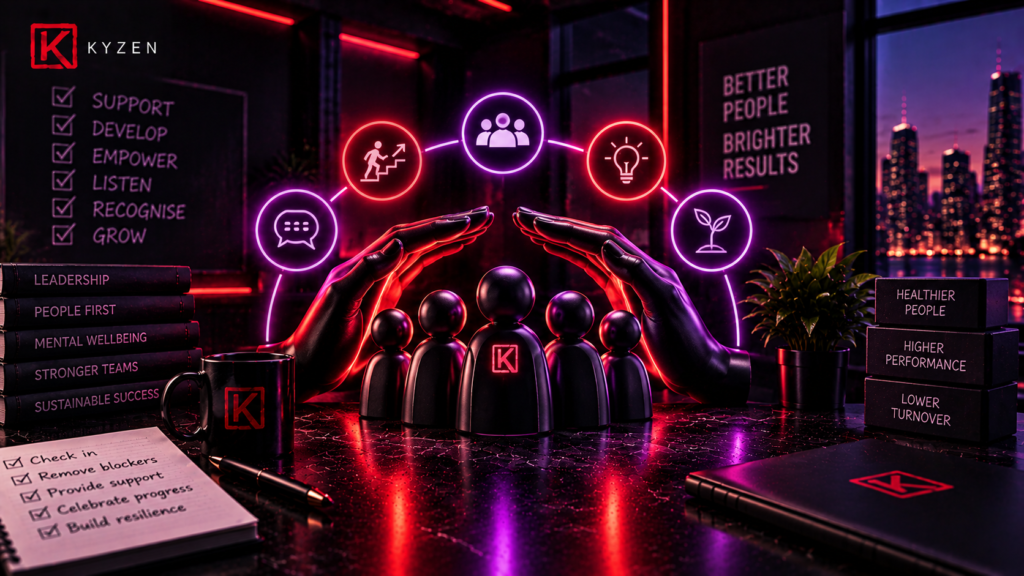
Managers can influence burnout risk through the way work is organized and discussed.
Check-ins should cover workload, difficult interactions, and obstacles to doing the job well, not just performance numbers. Agents need a way to say they are struggling without assuming the conversation will immediately become a performance issue.
Managers should also model the boundaries they expect their teams to follow. Telling employees to disconnect after work has little value if supervisors continue sending non-urgent messages outside scheduled hours.
The manager’s own visible stress matters too. Calm escalation handling, predictable communication, and realistic expectations help create a more stable environment when volumes rise.
Resilience should support a well-designed workplace, not compensate for chronic understaffing or unreasonable workloads.
Using Technology and Tools to Reduce Burnout
Technology can reduce burnout risk when it removes repetitive work and unnecessary cognitive load rather than simply pushing agents to work faster.
Automation can answer straightforward questions, route routine requests, and surface relevant information while an agent is handling a customer. Better system integration can also reduce the need to jump between several dashboards just to understand one case.
In payment operations, payment orchestration can automate defined routing and fallback logic while specialists continue monitoring and optimizing performance.
There is also a downside to consider. If automation removes nearly every simple interaction, human agents may be left handling only the most difficult, sensitive, or emotionally demanding cases.
Managers should therefore measure case complexity as well as ticket volume when introducing automation.
Burnout Risk for Outsourced vs In-House Compliance Teams
Neither outsourced nor in-house support is automatically protected from burnout.
A smaller internal operation can become vulnerable when rising demand repeatedly falls on the same people. The team may have limited options for additional shifts, temporary capacity, cross-training, or redistributing difficult escalations.
A larger specialist provider may have more flexibility around workforce planning, shift structures, cross-training, absence coverage, and workload distribution. That can create more options when demand changes.
But those advantages depend on how the provider actually operates.
When evaluating how to outsource, ask about agent utilization, scheduling, manager-to-agent ratios, turnover, absence coverage, escalation support, and how emotionally difficult interactions are distributed.
A poorly managed outsourced team can experience burnout just as easily as an internal one. The real question is which operating model has the staffing, supervision, process clarity, and capacity to prevent sustained pressure from falling on the same agents repeatedly.
Frequently Asked Questions
What is call center burnout?
Call center burnout is persistent work-related exhaustion linked to chronic workplace stress that has not been successfully managed. It commonly involves exhaustion alongside increasing detachment or cynicism toward work and a reduced sense of professional effectiveness.
What’s the difference between burnout and fatigue?
Fatigue usually improves when the immediate demand eases, and the person gets adequate rest. Burnout tends to persist because the underlying workplace pressures remain. Continued exhaustion combined with detachment or declining effectiveness deserves closer attention than tiredness alone.
How do I know if my team is experiencing burnout?
Look for sustained patterns across employee feedback and operational indicators rather than one difficult week. Persistent exhaustion or disengagement combined with rising absenteeism, quality changes, escalations, or turnover gives managers a stronger warning signal than any single measure.
Can call center burnout be reversed?
Yes, people can recover from burnout, but meaningful improvement usually requires addressing the working conditions contributing to it. Workload changes, genuine time away, supportive management, and a gradual return can all help, depending on the person and circumstances.
Do outsourced agents burn out faster than in-house teams?
Not necessarily. Burnout risk depends more on workload, schedules, job control, management support, and how the operation is structured than on who employs the agent. Call center outsourcing can add capacity and workload flexibility, but poor workforce design can create burnout in either model.

